
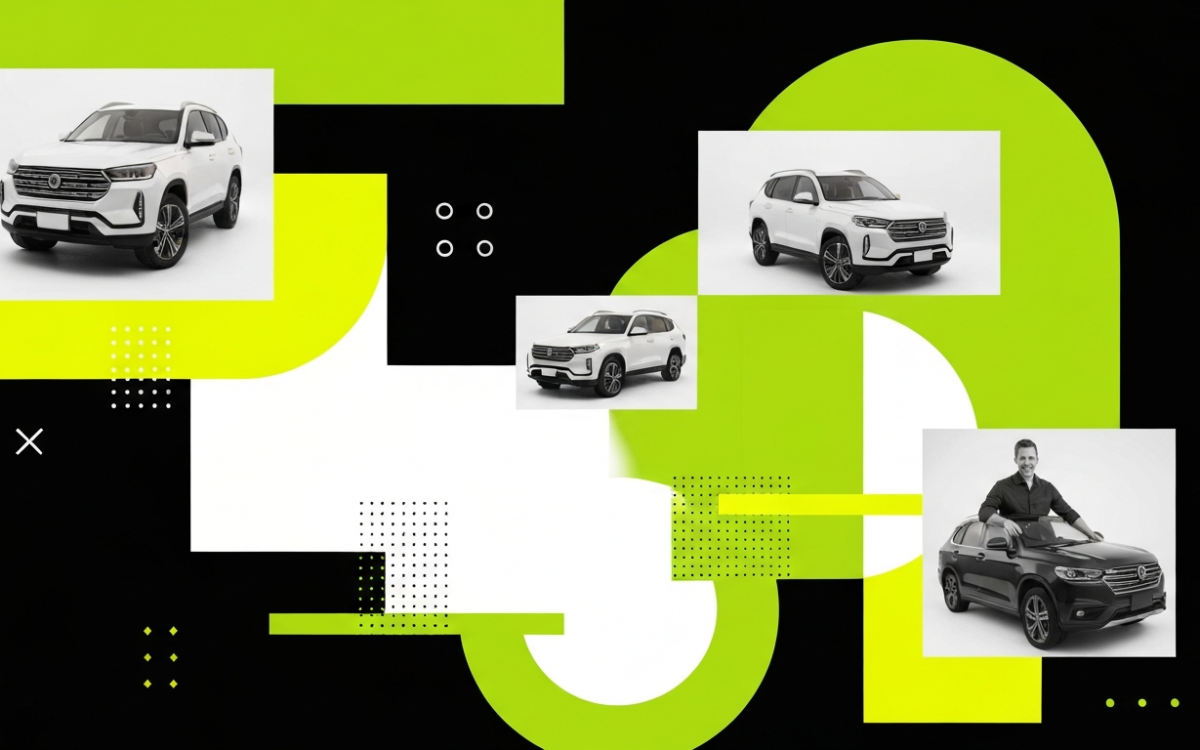
The appeal of hybrid SUVs is undeniable: fuel efficiency, a smaller environmental footprint, and often, the versatility of an SUV. But when you’re looking at the used market, a crucial question looms: are these vehicles, particularly those with complex hybrid powertrains, as safe as their new counterparts? At LemonKnows.com, we dove deep into over 26,000 National Highway Traffic Safety Administration (NHTSA) safety records to bring you the data-driven truth. We analyzed complaint volume, recall history, and our proprietary Lemon Score for popular used hybrid SUV models to help you make an informed decision.
Our findings offer a nuanced picture. While the core safety structures of most modern vehicles are robust, the integration of hybrid technology can introduce unique considerations. We’re not just looking at crash test ratings here; we’re examining real-world owner experiences and regulatory actions that can signal potential safety concerns. So, buckle up as we explore what the data tells us about the safety of used hybrid SUVs.
Deconstructing the Data: Complaint Volume and its Implications
The sheer volume of complaints lodged with NHTSA can be an early warning sign of potential issues. While every vehicle will have some complaints, a consistently high number for a particular model, especially those related to powertrain or electrical systems, warrants closer inspection. Our analysis focused on complaint numbers alongside our Lemon Score, a comprehensive metric that considers factors like repair frequency, repair duration, and the severity of issues reported by owners.
Let’s look at some of the models we examined:
- Tesla Model Y AWD: With 905 complaints and a Lemon Score of 55/100 (fair status), the Model Y, while electric and not strictly a hybrid, shares some complex electrical system characteristics. The high complaint volume suggests owners are encountering a variety of issues, though zero recalls is a positive indicator for the absence of widespread, manufacturer-acknowledged defects.
- Fisker Ocean Extreme One: Mirroring the Model Y in complaint volume with 882, and also scoring a 55/100 (fair status), the Fisker Ocean presents a similar picture of a high number of reported owner issues. Again, zero recalls are noted.
- Honda HR-V FWD: This non-hybrid compact SUV has a more moderate 649 complaints and a slightly better Lemon Score of 65/100 (fair status). This suggests that while owners have issues, they might be less severe or less frequent than those reported for the higher-complaint electric/hybrid vehicles.
- Honda Prologue FWD: With 584 complaints and a Lemon Score of 69/100 (fair status), the Prologue is a newer entrant, and its complaint numbers are notable for a model that is still establishing its reliability.
- Nissan Rogue FWD: The Rogue, a popular non-hybrid SUV, has 563 complaints and a Lemon Score of 64/100 (fair status). This places it in a similar complaint bracket to the HR-V and Prologue, indicating a moderate level of owner-reported issues.
- Honda CR-V AWD: A perennial favorite, the CR-V AWD has 475 complaints and a Lemon Score of 65/100 (fair status). This lower complaint volume compared to some of the other SUVs, especially considering its popularity and longevity, is a positive sign.
It’s important to note that complaint data is not a direct measure of safety in terms of crashworthiness. However, a high volume of complaints, particularly those related to braking, steering, or electrical malfunctions, can indirectly impact safety by leading to unexpected vehicle behavior or system failures. For example, issues with the regenerative braking system in a hybrid could potentially affect stopping distances or driver confidence.
Recalls: A Double-Edged Sword of Transparency and Concern
Recalls issued by manufacturers are official acknowledgments of safety defects. While a recall might seem alarming, it also signifies that the manufacturer is taking responsibility and addressing a problem. The absence of recalls, as seen in our sample for the Tesla Model Y and Fisker Ocean, can be interpreted in two ways: either the vehicles are exceptionally well-engineered, or there haven’t been enough reported widespread issues to trigger a recall. Given the complaint volumes for these models, the latter interpretation might be more prudent for consumers.
Conversely, a vehicle with a history of recalls, even if resolved, might indicate a more complex or less mature design. For hybrid SUVs, recalls can sometimes be related to the battery management system, the electric motor, or the intricate control software that governs the interplay between the gasoline engine and the electric components. These systems, while designed for efficiency, add layers of complexity that could potentially lead to more varied issues over time.
Our data sample shows zero recalls for all the listed models. This is a common scenario for many relatively newer models or those that have not yet experienced widespread, critical failures that necessitate a recall. However, it’s crucial for consumers to understand that the absence of recalls does not equate to an absence of potential problems. It simply means that, as of the data collected by LemonKnows.com, no manufacturer-issued recalls have been initiated for these specific models.
Lemon Score: A Holistic View of Reliability and Potential Safety Risks
Our Lemon Score is designed to give consumers a more comprehensive understanding of a vehicle’s potential for problems, which can have indirect but significant safety implications. A lower Lemon Score indicates a higher likelihood of encountering issues that could affect a vehicle’s performance and, consequently, its safety. While crash test ratings focus on occupant protection during an impact, our Lemon Score delves into the day-to-day reliability and potential for malfunctions that could lead to dangerous situations.
For instance, a hybrid SUV with a high number of complaints related to sudden power loss, unexpected acceleration or deceleration, or issues with the braking system would likely have a lower Lemon Score. These are not issues that are typically captured in standard crash tests but can pose serious risks to drivers and other road users. The “fair” status across all the models we analyzed indicates that none of these specific vehicles are performing exceptionally well in terms of reliability based on our data. This suggests that buyers of used hybrid SUVs, in general, should be prepared for potential issues and conduct thorough pre-purchase inspections.
Conclusion and Actionable Advice for Used Hybrid SUV Buyers
So, are used hybrid SUVs safe? The data from LemonKnows.com, analyzing 26,000 NHTSA safety records, suggests a mixed but generally “fair” picture for the models we examined. While crashworthiness is a fundamental aspect of vehicle safety, the reliability and potential for malfunctions in complex hybrid systems are equally important considerations, especially in the used car market. High complaint volumes and a “fair” Lemon Score across the board indicate that buyers should proceed with caution.
Here’s our actionable advice for anyone considering a used hybrid SUV:
- Prioritize Pre-Purchase Inspections: This is non-negotiable. Take the vehicle to an independent mechanic, preferably one with experience in hybrid vehicles, for a thorough inspection. Pay close attention to the battery health, the hybrid system components, and any warning lights or unusual noises.
- Research Specific Model Years: Our data is a snapshot. Safety records and reliability can vary significantly between model years of the same vehicle. Look for specific reviews and data for the exact year you are considering.
- Understand the Lemon Score: Use the Lemon Score from LemonKnows.com as a guide, but don’t rely on it solely. Combine it with complaint data, recall history, and your own research.
- Consider Extended Warranties: Given the complexity of hybrid powertrains, an extended warranty can offer peace of mind and financial protection against potentially costly repairs.
- Test Drive Extensively: Pay attention to how the vehicle accelerates, brakes, and handles. Listen for any unusual sounds or vibrations. Ensure the transition between electric and gasoline power is smooth.
Ultimately, buying a used hybrid SUV can be a smart choice for the environmentally conscious and budget-savvy consumer. However, by arming yourself with data from sources like LemonKnows.com and taking diligent steps during the purchasing process, you can significantly increase your chances of driving away in a vehicle that is not only efficient but also safe and reliable.




Leave a Reply
You must be logged in to post a comment.